
When to Walk in Pu Luong — Dates, Rain and Rice Colour
The best dates for you depend on whether walking comfort or terrace colour matters more. Pu Luong terraces are working farmland — their look changes with planting schedules and weather, not a single synchronized calendar you can lock from a website.
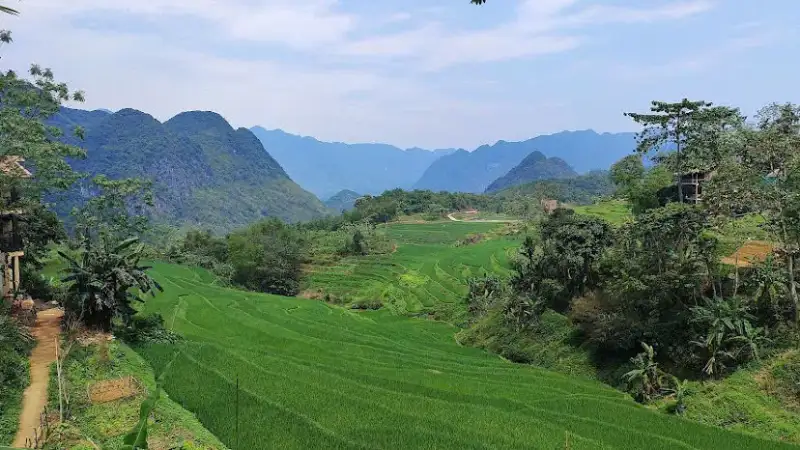
When should you plan to walk?
Start with the walk you want — half-day, full-day, overnight or summit — and whether you can accept heat, humidity and possible showers. Rice colour is a secondary layer on top of that walking decision, not a substitute for choosing grade and duration.
If terraces are the main reason you travel, still plan around walking time and road transfers; see the duration note for how calendar days differ from time on trail.
Walking conditions versus rice colour
Terraces are built for production. Their colour and condition change with the farming calendar and with rain or sun on your dates — the harmony field note explains that working-landscape idea in destination terms.
Rice fields are agricultural production, not synchronized scenery you walk across for a photograph.
Rice colour can differ between areas of Pu Luong at the same time, because fields may be planted on different schedules. Pu Luong should not be treated as one synchronized rice calendar.
That means two valleys on the same trip can look different even in the same week.
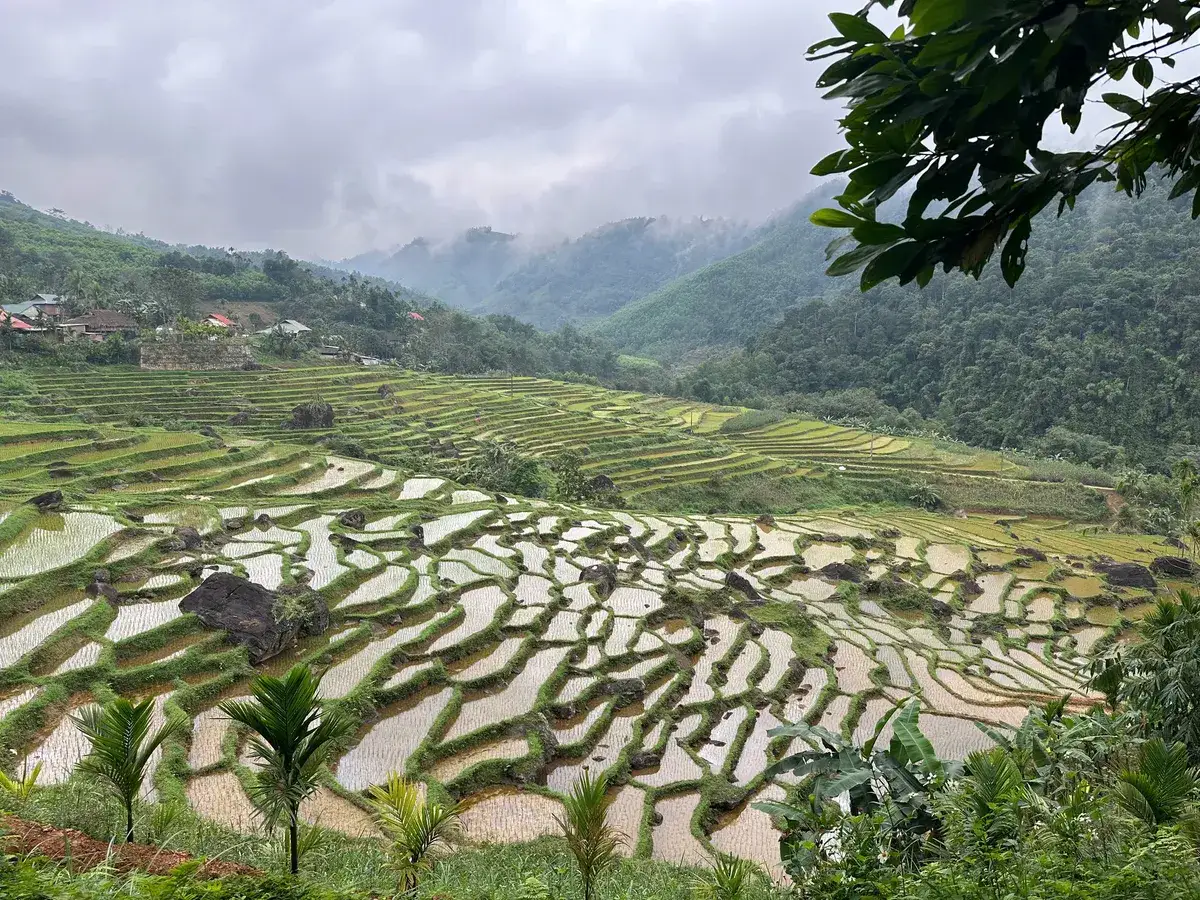
What we can commit in advance about colour
We only make advance rice-colour commitments around late May to early June and late September to early October. Outside those windows we do not promise a colour.
When guests ask about golden rice, we currently advise targeting early June or early October. That is operational guidance, not a guarantee that fields will be golden on a given date.
When guests ask about green rice, we currently advise targeting late August to early September. That is operational guidance, not a dated field calendar.
Those are current operational suggestions when guests ask — not promises that your exact route will match a photo you saw online.
Why nearby terraces may not match your expectation
Staggered planting is normal here. One slope can read golden while another is still green because fields were planted on different schedules — not because the reserve failed to “perform” for visitors.
Photographs on this site describe destination surfaces or specific departures; they are not a guarantee of what you will see on your confirmed route.
Confirming colour close to departure
For rice colour close to your departure, we check with experienced local guides rather than promising a colour from a calendar.
Your written itinerary before payment is what counts for the walk itself; rice appearance remains variable even when the trek goes ahead.
Rain and summer months
June, July and August are summer months here, and rain or storms can sometimes occur. That is not a named “rainy season” calendar on this record.
Light or moderate rain does not automatically cancel walking. In heavy rain the trek may pause or stop for safety. Route and pace may change with conditions, and unsafe conditions can mean rerouting, delay, postponement or cancellation. That safety decision is made by the operator and your guide.
Operational rain decisions — reroute, pause, postpone or cancel — live on the weather note, not here.
How to continue planning
Pick a programme on the tours hub, enquire with your target dates, and ask what rice looks like near your departure once the route is scoped — we answer in writing before you pay.
Dates and programme choice go together — confirm both when you enquire.