
Pu Luong Weather, Rain and Walking
Weather is a walking decision, not a climate brochure. On the walks we operate, rain can change pace, footing and sometimes the route — and unsafe conditions can require rerouting, delay, postponement or cancellation.
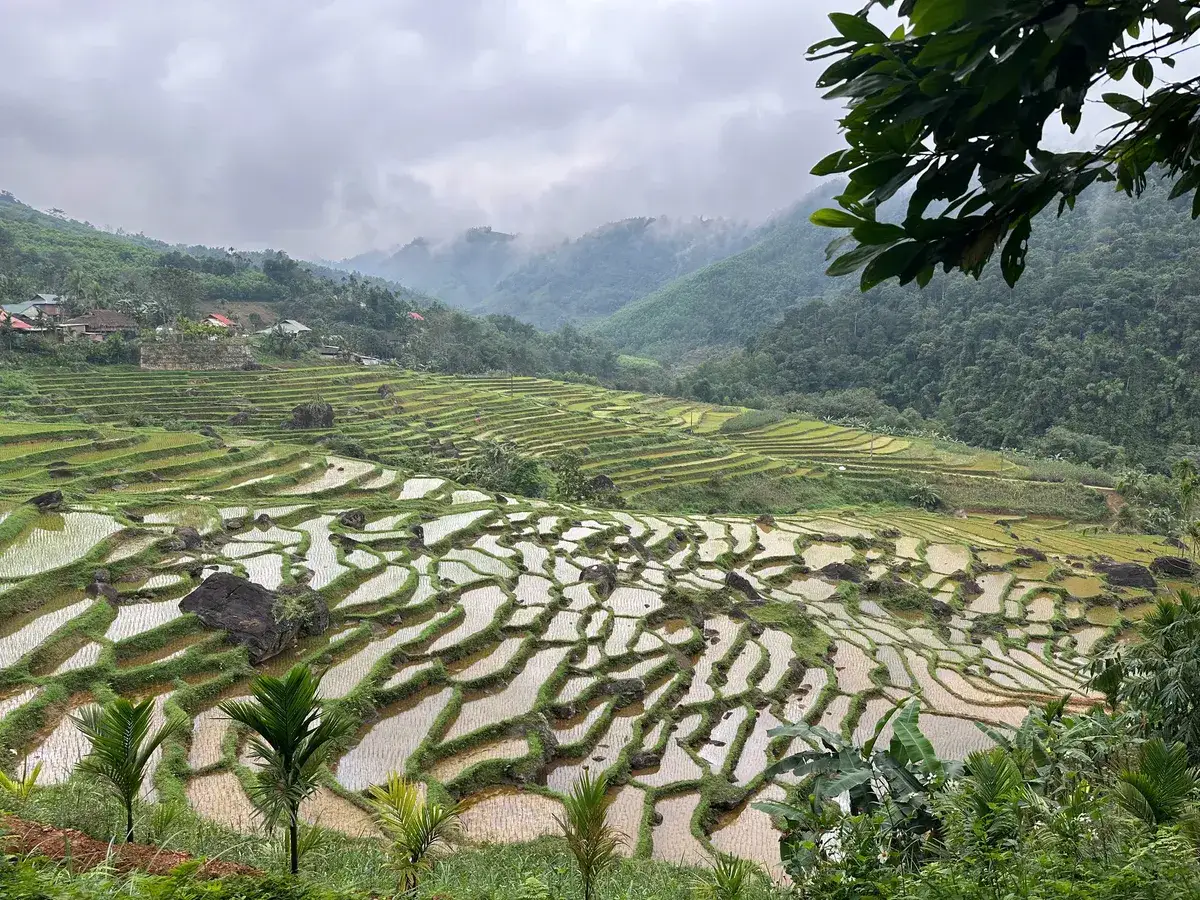
Does rain stop Pu Luong trekking?
Light or moderate rain does not automatically cancel walking. In heavy rain the trek may pause or stop for safety. Route and pace may change with conditions, and unsafe conditions can mean rerouting, delay, postponement or cancellation. That safety decision is made by the operator and your guide.
No programme on this site promises identical routing in every shower. Your guide reads conditions on the ground for the departure you booked.
What light rain changes for walkers
Light or moderate rain often means waterproof layer, slower steps and more attention on stone steps and terrace edges. Forest paths stay slick longer than open fields. Packing matters — wet socks and no rain shell make a manageable day uncomfortable.
Operational pace may drop even when the walk continues. That is normal safety margin, not “lost value” on a private trek.
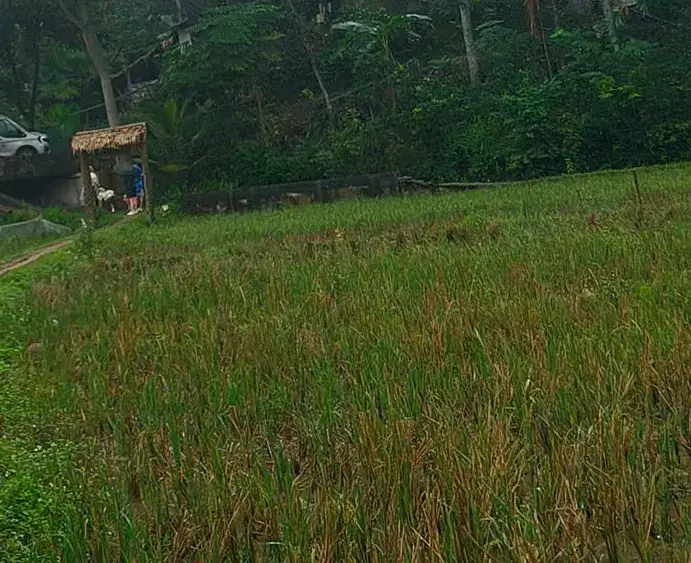
Mud, slippery surfaces and footing
Rain turns compacted paths to mud and can expose loose gravel or roots in forest. The same grade label can feel harder because grip is worse — see the trails note for surface types, not difficulty marketing.
Footwear with grip and a willingness to shorten steps beat rushing on slick stone.
Route changes, pauses and unsafe conditions
When rain or visibility makes a section unsafe, the guide may choose an alternative loop, wait out a squall, or end walking early. Heavy rain may pause or stop the trek for safety — that call sits with the operator and your guide, not with a fixed timetable on a website.
Postponement or cancellation remains possible when conditions cannot be managed safely. Confirm how your booking handles weather-related changes when you enquire — your written confirmation is authoritative.
A typical year, not a forecast
Travel and tourism sources commonly describe roughly May through September as the warmer, wetter part of the year in the Pu Luong area, while conditions from around October into early spring are more often cooler and less wet.
That is a broad historical planning pattern — not a forecast for your travel dates and not a guarantee that a month will be wet or dry. Showers can still arrive outside the wetter stretch, and the month on the calendar alone does not decide whether your walk goes ahead.
What happens on your departure is still governed by the policy on this page: light or moderate rain does not automatically cancel walking; heavy rain may pause or stop the day for safety; and unsafe conditions can mean reroute, delay, postponement or cancellation.
For choosing dates against terrace colour, use the best-time note. For mud, grip and shoes once you know your programme, use the trails and packing notes.
Rain and programme choice
Light or moderate rain does not automatically cancel a walk. Route and pace may change; unsafe conditions can mean adjustment, delay, postponement or cancellation — the operator and your guide decide.
Off-the-Beaten-Path Trek is typically adjusted first among the two overnight walks when it has been wet — operational caution, not an automatic cancellation.
Pu Luong Summit Trek: rain, strong wind or heavy fog can change or stop the day.
Nature & Cultural journey: swimming at Hieu or bamboo rafting may be removed when water or weather conditions are unsafe.
What to prepare for (without fake forecasts)
We do not publish month-by-month climate tables or guaranteed dry windows here. Expect tropical variability: sun, humid heat, sudden showers and cooler forest shade in the same trip.
Pack for wet and dry, carry water, and plan transfer days separately from walking days — long road legs and walking legs both compete for energy.
Dates and programme choice affect how weather interacts with your walk — confirm in writing.